
5 Shoegaze Albums From The 90s That Went Under the Radar
Everyone who’s familiar with the term shoegaze knows the classics: My Bloody Valentine’s landmark 1991 album Loveless, Slowdive’s acclaimed 1993 sophomore release Slouvaki, and Swervedriver’s similarly lauded Mezcal Head, also released in ‘93. The early 90s, particularly the few years that followed the success of Loveless, was a fruitful time for the genre and would see countless bands embracing a more dense, angular approach to the guitar.
While there are dozens of examples of beloved shoegaze, especially in the early part of the decade, there are also plenty of records from that time period that came and went quietly with little attention or impact. Let’s unpack five of the most underappreciated among the pantheon of shoegaze releases.
Adorable - Against Perfection (1993)
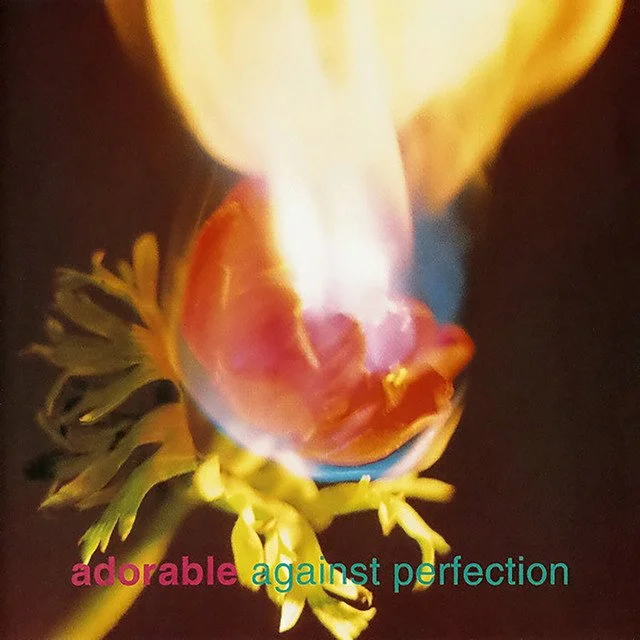
British band Adorable rode the wave of alternative music that exploded in the early 90s, albeit for just four short years. The band, which existed from 1990 to 1994, released its debut album Against Perfection in 1993 on Creation Records.
The album, which faired well critically, ultimately didn’t yield much success commercially. It did, however, spawn a moderate hit in the U.S. in “Sunshine Smile,” which presented as both a clean-but-angular hook-laden guitar pop single a la Echo & the Bunnymen and a dense display of heavy, disorienting guitars walled against singer Piotr Fijalkowski’s borderline deadpan vocal.
Majesty Crush - Love 15 (1993)
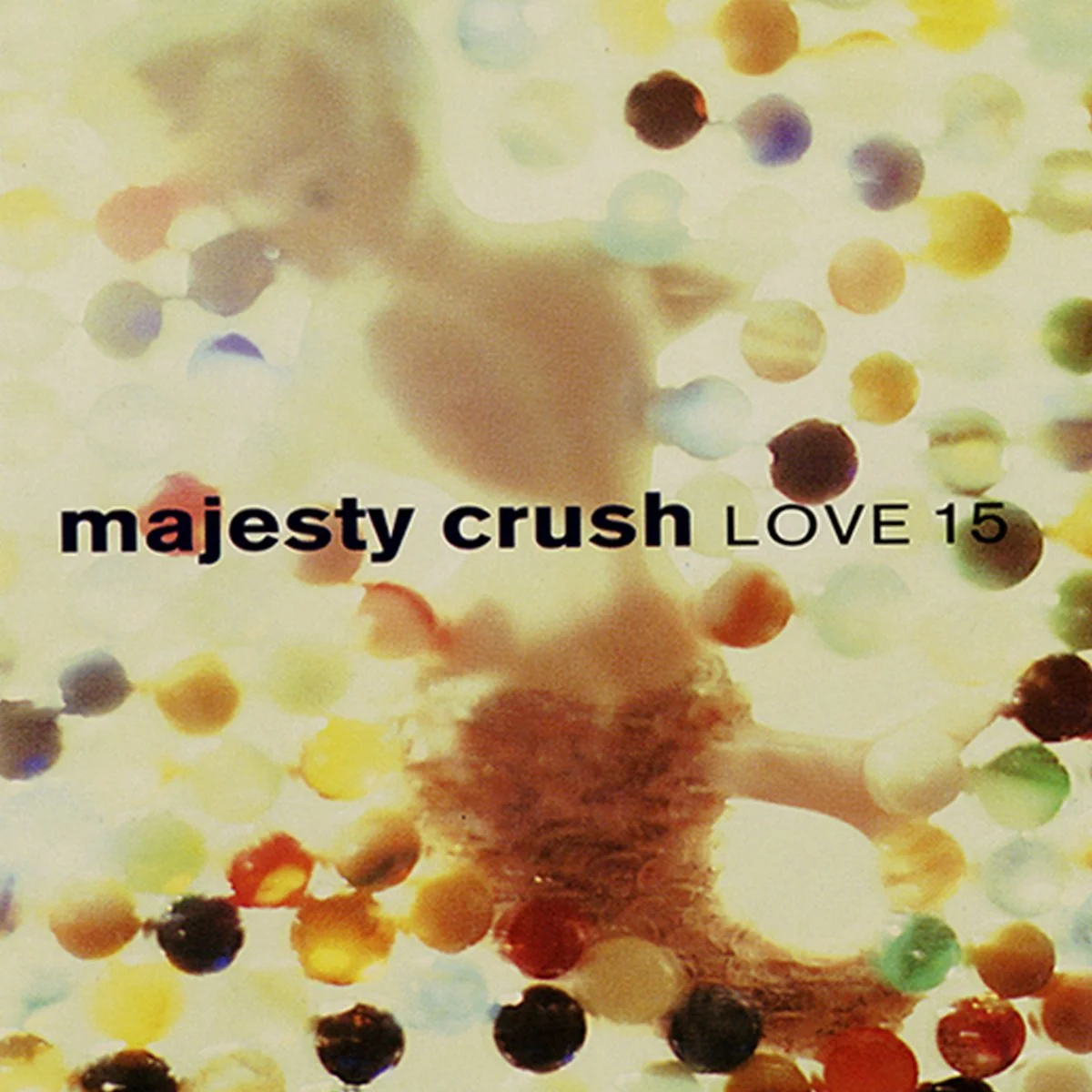
U.S. shoegaze band Majesty Crush was one of those bands that had a ton of momentum but never quite broke the way they should have. All the evidence for that exists in Love 15, the band’s only album, released in 1993 on Dali Records, a subsidiary of Warner/Elektra.
The band had already released singles and EPs, and built up a solid resume of opening slots for bands like Mazzy Star and Chapterhouse. They fit right in to that mold with songs like “Boyfriend,” which oscillated between sharp, double-time guitar stabs and big single-note swings. That song is about as solid an example of what could have been as anything on the record. It wasn’t meant to be, however, as the band called it quits in 1995. The album was re-released in 2023 to mark its 30th anniversary.
The Boo Radleys - Everything’s Alright Forever (1992)
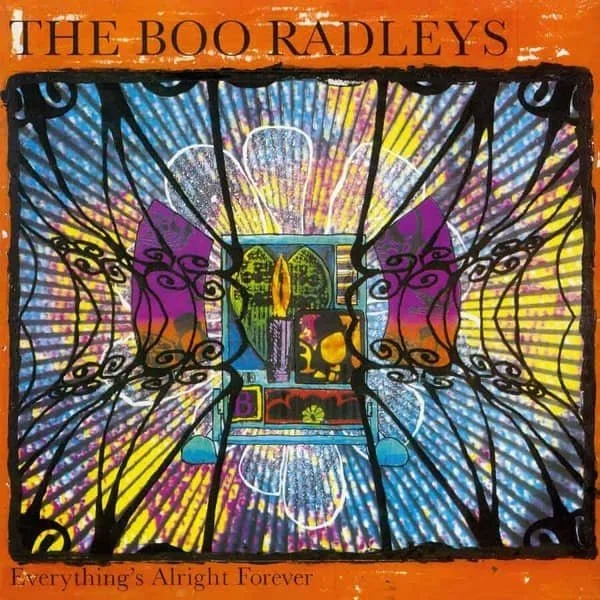
Blurring the lines between shoegaze and dream pop, The Boo Radleys’ sophomore album Everything’s Alright Forever is a sprawling work of intense guitar wash, high energy grooves (take the first single “Does This Hurt?” as an example), unrelenting noise, and dissonant jangle.
Everything’s Alright Forever wasn’t as commercially successful as the albums that followed, especially as the band garnered more attention for their mid-90s work that leaned more towards the burgeoning britpop scene, but it remains a wholly unique snapshot of a band on the up and taking from what was happening around them.
Swirlies - Blonder Tongue Audio Baton (1993)
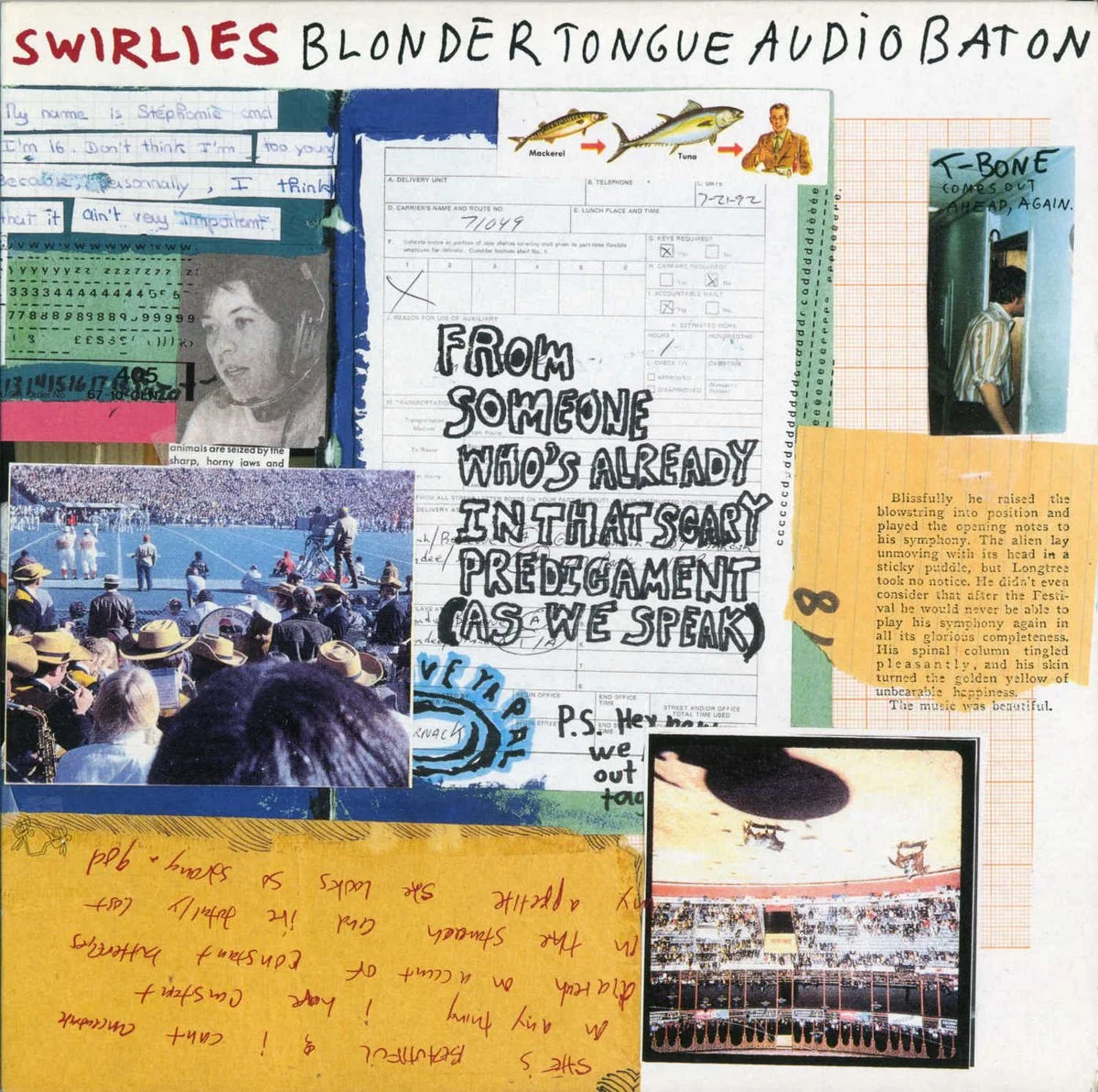
American shoegaze was obviously influenced heavily by the wave of British bands breaking ground in the genre at the time, but there was largely a more dry, indie rock bent to much of it, and Swirlies was no exception to that. Their excellent 1993 debut Blonder Tongue Audio Baton feels today like it’s almost a secret to be discovered.
It’s a magnificent journey of a record that every shoegaze fan should have in their collection. All you really need to hear is “His Love Just Washed Away,” and that’s enough to convince anyone that this album belongs among the more talked-about sets of the decade. Swirlies remains active to this day, touring mostly in the U.S. and releasing a handful of LPs after Audio Baton.
Drop Nineteens - Delaware (1992)

Drop Nineteens were another U.S.-based shoegaze band putting their stamp on the genre in the early 90s, starting with their 1992 debut Delaware. The title track opens the album with swirling MBV-esque guitars, and doesn’t slow down from there despite the second song, “Ease It Helen,” containing nothing but guitars and vocals.
The band saw much more success in the U.K. than in their home country, and comparisons to My Bloody Valentine followed them around for longer than they preferred, so they pushed for a sound that was almost more proto-slacker—or what would today be considered indie rock—on their sophomore release National Coma.