
Shoegaze & Dream Pop 101
The evolution of guitar music has been a steady progression of experimentation and pushing the boundaries of the instrument in bold new directions. The advent of the fuzz pedal in 1962 ushered in decades of innovation, especially as recording became more sophisticated and technology advanced to expand what was possible in the path between the electric guitar and the recording console.
As technology improved, so did the ability to create textures and arrange songs in ways that guitar-based bands couldn’t do before. Entire songs could be written around a delay sound, or crafted around reversing tape and looping that reversed sound. It was the kind of experimentation the Beatles were doing in the mid-60s, but as time went on artists pushed that idea to its limits and, later, weaponized the guitar as a tool for sonic assault.
The expansion of the electric guitar also made it possible for new kinds of songwriting to emerge, much of which was an amorphous mashup of all different kinds of influences. Gone were the days of sitting around with an acoustic guitar and writing a 3-minute pop song. As digital technology became more accessible to artists, so did the ability to use that technology to their advantage in all aspects of the creative process.
And that’s where we land here at Head On. This channel is about the history of the post-punk, powerpop, dream pop, and shoegaze music that emerged and overlapped in the 80s and 90s. But it’s all organized around a single touchpoint: The guitar. That doesn’t mean we’re shying away from synth-based music; we love Eno as much as the next guy. It just means that everything we explore here is, at its core, guitar music.
Today, we’re going to kick off this journey with a 101, if you will, of the music we’ll be exploring here. Think of this video as pulling one thread in one chronological direction. As time goes on, we’ll pull all of the threads in every direction. But today’s video is our attempt to define what we do by breaking down the basics of this huge umbrella of music. We’re just scratching the surface here, and we know that. That’s what this channel is for; today is the introduction.
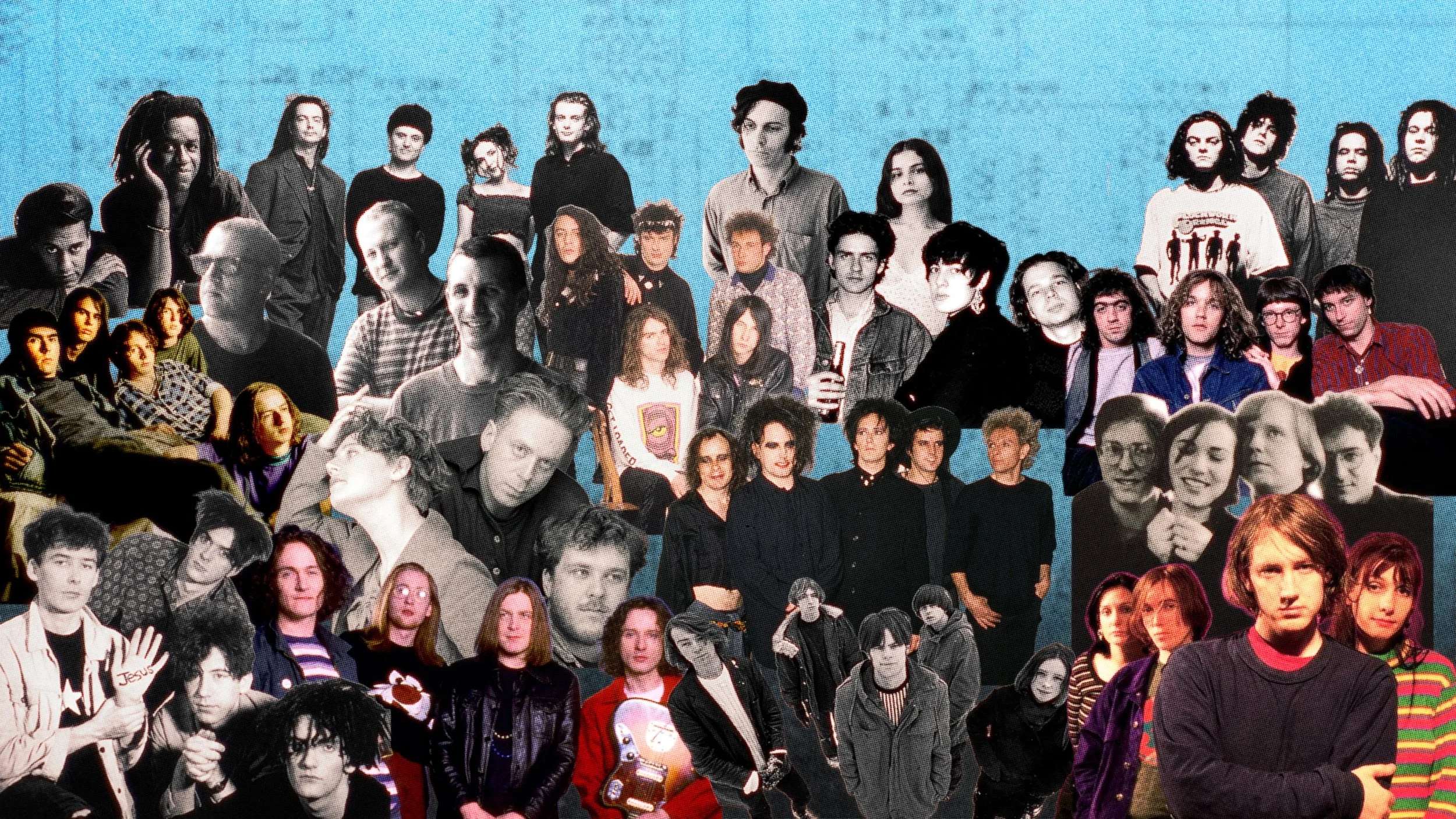
So if you love The Jesus and Mary Chain or My Bloody Valentine, this channel is for you. If you love Teenage Fanclub or Slowdive, this channel is for you. If you love Cocteau Twins, The Cure, Innocence Mission, Chapterhouse, R.E.M., Sugar, Primal Scream, Galaxy 500, AR Kane, Swervedriver, Cranes, Mazzy Star, and so, so much more, this channel is for you.
Let’s tackle it all, head on.
Before we get to the history, we think it’s important to tell you how we’re defining the music we talk about here.
The two primary genres we’re covering are dream pop and shoegaze, terms that were coined in the late 80s and early 90s, respectively. Dream pop, in our view, would be defined as music that utilizes lush, mostly clean, ambient-leaning guitar sounds. You might hear the term “jangle” associated with dream pop music, which implies that the guitars are largely brighter, cleaner, and often incorporate more arpeggiated parts as opposed to chord-based arrangements.
Shoegaze, on the other hand, features bigger, more disorienting guitars. A lot of the guitar sounds in the shoegaze genre are heavier or more overdriven, but that’s not a rule. There’s generally just more of a layered, angular approach to guitars. Kevin Shields of My Bloody Valentine pioneered an approach that utilized open tunings and found him using a tremolo arm to bend in and out of chords in a way that helped make things sonically feel more dissonant and disruptive, and that’s something a lot of bands adopted after MBV started to become popular.
We’ll also dive into the powerpop music that was happening in the same time period, much of which brushed up against both dream pop and shoegaze. Power pop might be more closely linked to The Beatles in that the song structure is more pop-oriented but driven by guitars. The guitars in this genre tend to marry the jangle of The Beatles with a power power chord-based approach that you might find with a band like The Who.
We also are avid lovers of the post-punk music of the late 70s and early 80s, so much of which influenced the direction of guitar music that yielded the stuff we’ve discussed so far. So we’ll also talk about those bands and that music here. Post punk might be best described as music that has the same spirit as the punk movement that preceded it, but with a heavier emphasis on rhythm and more room for experimental arrangements. The guitars were sharper, more angular, and more percussive, to an extent.
There’s so much music that crosses over these stylistic lines that we’ll likely blur them to some extent, but the point is, kind of, to blur the lines and connect music that you might not have thought was connected. There’s so many avenues to explore, and we’ll do it all on this channel.
And with that, let’s dive in.
Like most pop music history often does, we could theoretically start with The Beatles. And, of course, the history of rock and roll is well documented in the decade or so prior to the rise of Liverpool’s greatest export. But if we really want to understand the evolution of the guitar in this context, we need to go back a bit further than 1964. Rock and roll was already on the rise, but in 1958 something appeared out of thin air that would redefine the electric guitar forever.
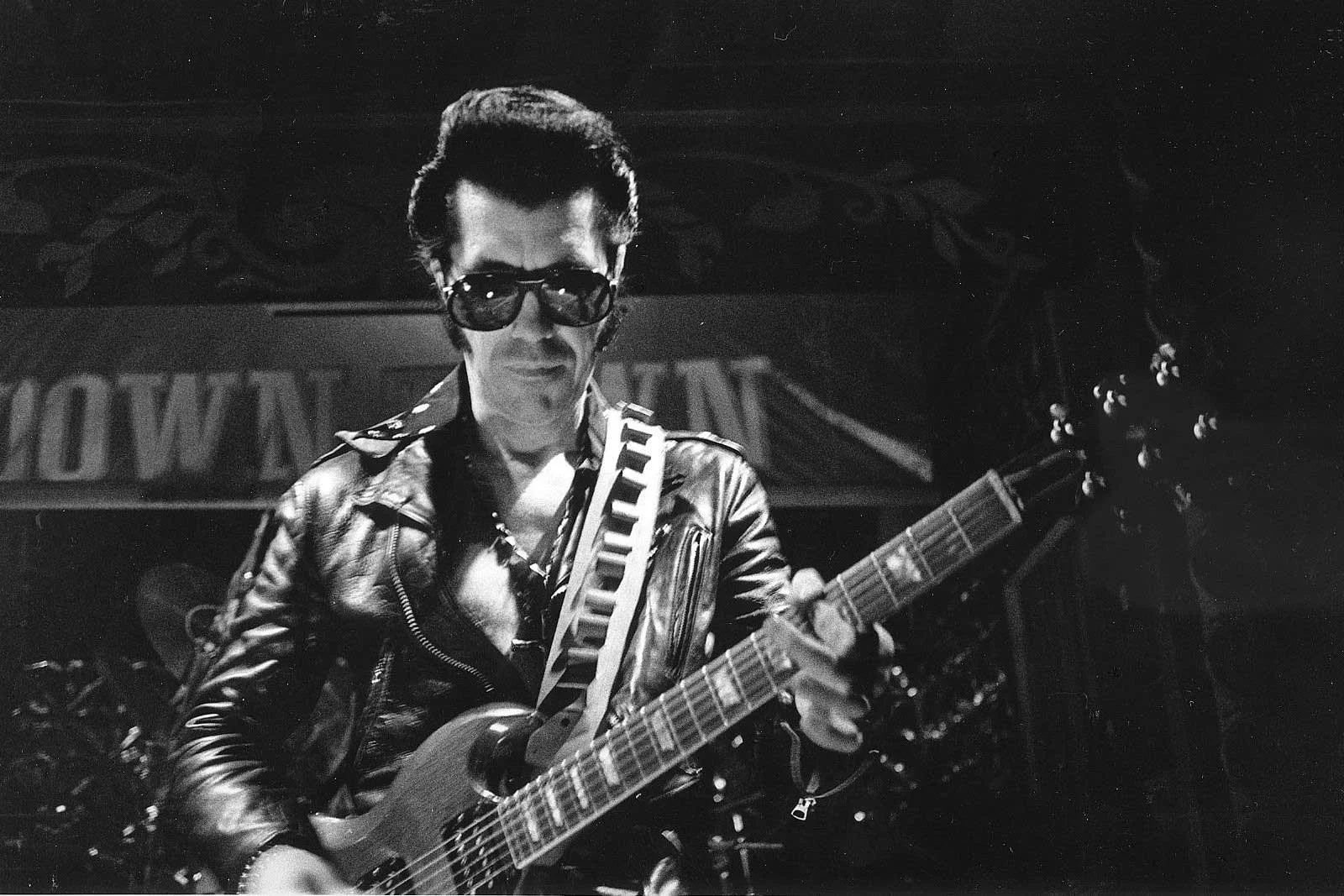
That year saw the release of a song that, at the time, caused considerable controversy among audiences and on radio. Incendiary, bold, and brash, Link Wray and the Wraymen’s “Rumble” is a song that by today’s standards would be considered tame, but against the contemporary landscape it was so subversive it almost feels political when you put it in context. It was so divisive and controversial that it was actually banned from several radio stations, which today seems inconceivable. If you study the history of the guitar then you already know what Link Wray and “Rumble” did for the instrument. Just ask Jimmy Page or Pete Townshend. The latter said, “He is the king; if it hadn’t been for Link Wray and “Rumble,” I would have never picked up a guitar.” Page, who posthumously inducted Wray into the Rock and Roll Hall of Fame, has had similar sentiments.
“Rumble” brought something out in the guitar that hadn’t been present before. Wray’s slightly detuned, blown out distortion sound introduced distortion as expression; a concept that would be employed across the broad rock and roll context for decades and decades to come. People simply weren’t used to something so unapologetically loud and biting, but they’d get used to it soon enough.
By the 60s, the guitar continued to evolve as players began experimenting more and more with sound. The advent of multitrack recording in the late 40s by Les Paul was essential to the evolution of music, but it wasn’t until the 60s that multitrack recording truly became industry standard. With that came an influx of experimentation, and the beginning of a phenomenon we call “using the studio as an instrument.” The Beatles are largely credited with bringing this approach to the mainstream, but many other bands of that time were doing similar things and much of it can be traced directly, in forward motion, to the rise of post punk, dream pop, shoegaze, and powerpop.
Bands like The Sonics and 13th Floor Elevators held their own in the garage and psychedelia lanes, respectively, and their music was noted as having a major influence on those subgenres, and others like the grunge movement, in subsequent decades. But there’s no excluding garage bands and psychedelia in this conversation either. It’s simply a connecting point along the way, and shows how irreverent music breeds more irreverent music.
While those records existed in more counterculture spaces and would prove successful later as cult classics, there were things happening in the mainstream that were also essential to the evolution of guitar music. The Kinks, The Byrds (Ride’s cover of “Eight Miles High”, anyone?), early Who records, and the Velvet Underground were all influential to the guitar bands of the 80s and 90s.
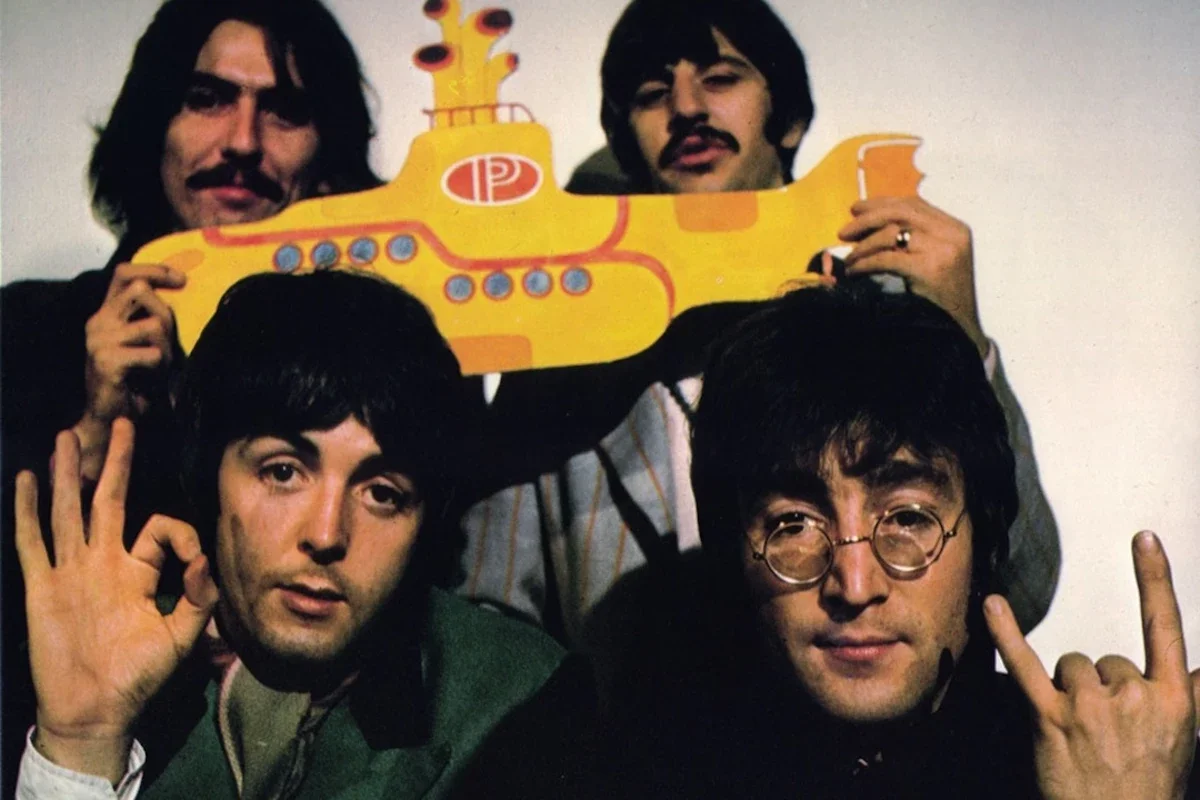
One of the most important songs to the evolution of the guitar, specifically on the road to shoegaze, is The Beatles’ “It’s All Too Much,” written in 1967 by George Harrison and released in 1969. The hallmark of the song is the noisy, feedback-laden guitar built around a single G chord that acts as a pedal point to the song’s different melodic turns. It’s noted as not just a key song to the psychedelic rock movement, but is also hailed as something of a proto-shoegaze song. The droning nature of the guitar, the noise, the layered soundscapes; it all feels like it can be drawn directly to the music that came largely out of the U.K. in the early 90s.
Of course, it wasn’t just The Beatles that had an impact at the time, though the production of their later records continues to have an immeasurable impact on the way music is produced. There was a lot of experimentation happening in recording studios at the same time, thanks to producers like Phil Spector and Joe Meek. Two extremely dark and controversial figures in music, to be sure, but their respective production approaches heavily influenced what was to come. Would we have Cocteau Twins or The House of Love or Jesus and Mary Chain without Phil Spector’s wall of sound? Would any of that exist without Joe Meek’s extreme use of compression and tape saturation? The groundbreaking sonic advancements of the 60s were truly just as important on guitar music’s progression as anything else.
If you’re saying to yourself, ‘Hey, they haven’t mentioned the Beach Boys yet,’ then you’d be absolutely correct. But that’s because while albums like Pet Sounds certainly have a massive influence on all of the music we’re exploring here on the channel, there’s a song that came out several years later that can be seen as a genuine precursor to the dream pop music of the late 80s.
“All I Wanna Do,” off of 1970’s Sunflower, is noted by many as being a prototype for the dream pop genre. The guitars are pointy, jangly, and washed in reverb, and literally sound like they could’ve been recorded almost 20 years later. That modernness is also helped by the lo-fi synth sounds present in the recording, which sound decades ahead of their time. The production on “All I Wanna Do” is as dreamy and ambient as any dream pop you’ve ever heard.
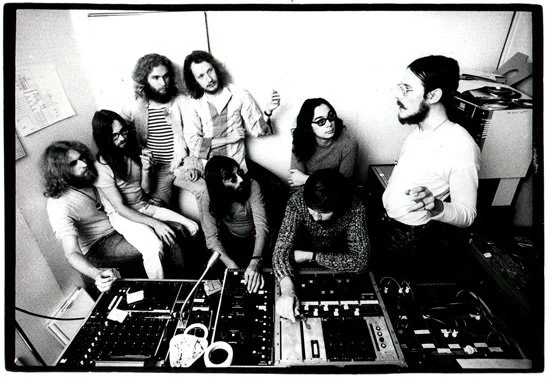
Around that time, the “krautrock,” as it’s known, of bands like Can, Neu, and Faust was bubbling up among rock fans. Those bands were all playing with song form and production in ways that married complex rhythms with cyclical simplicity.
Take Faust’s 1973 song “Jennifer” as an example. The song exemplifies the repetition that so much dream pop and shoegaze music would employ in the decades that would follow its release. It’s foggy and it doesn’t pay off in a traditional pop song sense. It’s driven by the sound and the way the melodic elements are presented, just like the music we’re exploring here. Like “All I Wanna Do” or “It’s All Too Much,” “Jennifer” became an unspoken blueprint for what was to come.
And let’s not forget Kraftwerk, whose hypnotic song structures and emphasis on minimalist rhythms helped usher in not just an era of synth-based music, but the kind of amorphous song form that we’d see more of in later years.
Not long after Krautrock started burgeoning, there was a rise of artists that were doing similarly art-forward things with guitars and production and pushing the instrument forward in sharp new ways. Bands like Talking Heads and Television came up in the CBGB era where punk, new wave, and ultimately post-punk emerged.
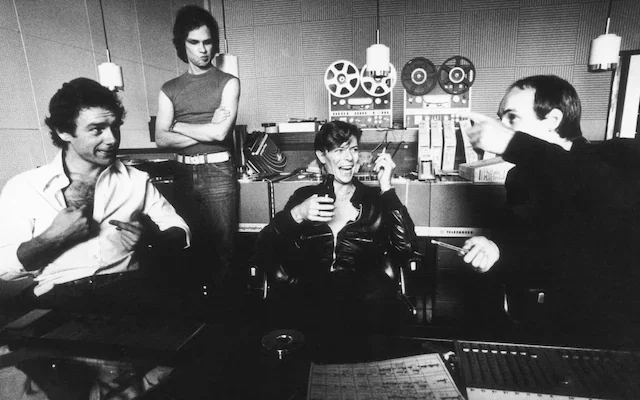
Of course, we can’t forget David Bowie’s influence as well. The Berlin-era albums, including Low and Heroes, emphasized a certain kind of sonic space that wasn’t just influenced by the aforementioned experimental German rock music, but also by ambient music. Those records were heralded in part by the great Brian Eno, whose own ambient work would prove massively influential to dream pop in the years ahead. In fact, Eno’s philosophy towards ambient music could perhaps sum up the ethos of dream pop and shoegaze music at the core.
“Ambient music must be as ignorable as it is interesting,” he said. There’s something that rings true there, and you can look at all of this music as having an enormous influence on dream pop and shoegaze music because these genres largely employ the same approach: You can drift along with it. Like ambient music and Krautrock, there’s much less emphasis on the payoff of the song and more on the sonic and rhythmic nature of the song.
The same can be said for another pioneering German band, Tangerine Dream, whose evolution from progressive rock music to something ambient and new age had a direct impact on the music of the 1980s in particular. At the same time, especially in the U.S., avant garde music was beginning to crop up especially within subgenres like no wave and through groups like Suicide. Then came the groundbreaking Sonic Youth, whose early work was instrumental in the rise of noise rock music. That band often utilized unorthodox guitar tunings and extremely dissonant guitar parts, transforming the instrument further as a vehicle for sonic experimentation. It’s an approach that would be employed and honed by Kevin Shields in the years leading to Loveless in 1991.
All of this music has one thing in common: Songs were becoming less performance vehicles and more environments for sound. There was less structure and melodic payoff and more emphasis on how a combination of instruments sounded combined.
There was, however, one band that merged the cyclical atmospheric nature of all of this music with traditional songcraft. One band that did all of this with enormous success: The Cure.
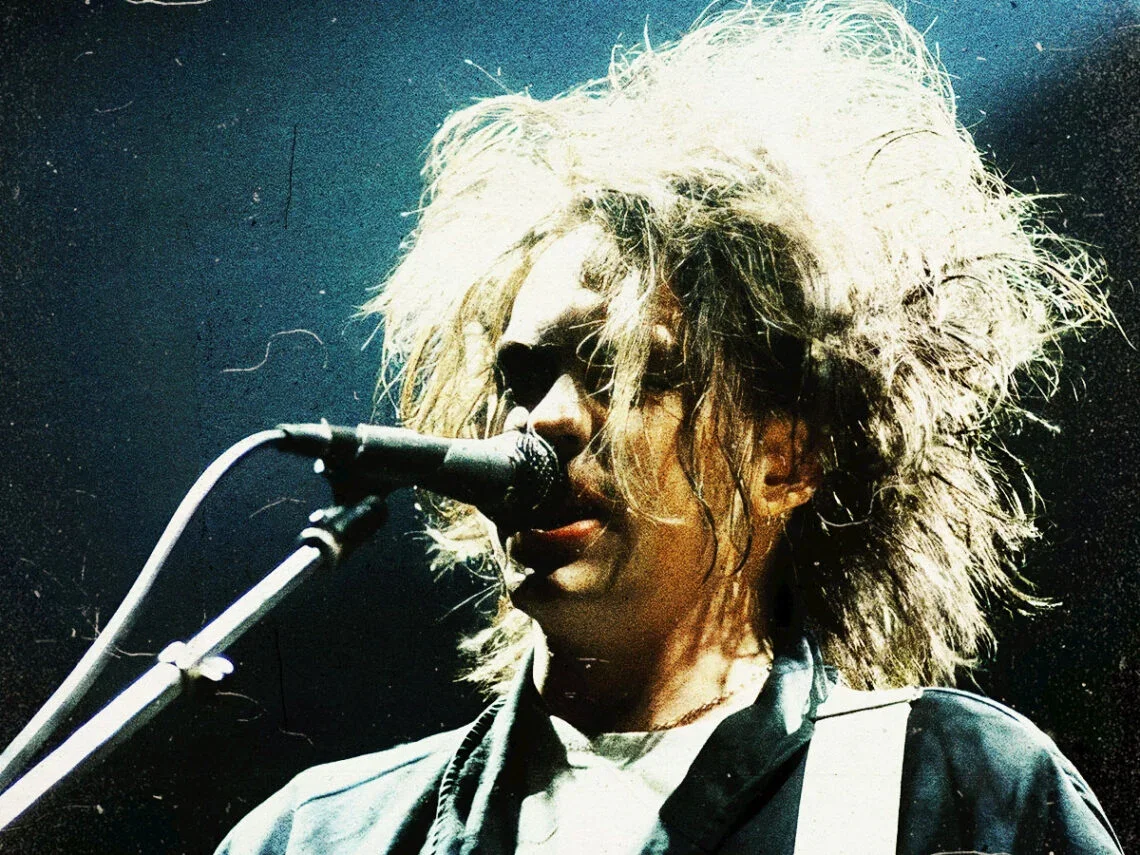
The early work of The Cure cemented that band, and its frontman Robert Smith, as expert writers of song especially in a post-punk culture. But as the band developed a close relationship with fellow pioneering post-punk band Siouxsie and the Banshees, their goth-influenced image emerged and their sound got progressively bigger and more atmospheric. It also got more amorphous and cyclical in the arrangements; perhaps reaching its apex with 1989’s hugely influential Disintegration.
By this point, they were being influenced by what was happening around them in music, but the dream pop bands that were cropping up around this time were undeniably influenced by the music The Cure had been making up until this point. The lines were starting to blur, and new movements in guitar music were starting to form.
And that leads us to where we start today. As we said, we’re just scratching the surface here. This channel will dive deep into the music and culture that defined an era, and changed the way the guitar was played for an entire generation. Over time we’ll drill down on so much of what we discussed in today’s video and go in so many other directions as well. And there’s so much more on the way as well. We’ll have new articles published regularly that explore the history of this music, so subscribe to our newsletter to get the latest updates, and stay tuned for the Head On podcast coming soon.
And, of course, don’t forget to like and subscribe at YouTube.com/@HeadOnMusic so we can keep making these videos and grow this community of guitar-loving music geeks. We’ll see you next time.